How to Eat Enough Protein Every Day
Eating enough protein does not have to be complicated. Learn simple protein portion sizes for meat, fish, eggs, cheese, beans, lentils and nuts — plus a practical 100g protein day.
Find practical articles about calories, macros, fat loss, muscle gain, foods and smarter planning with Athletic-AI.
Current articles about nutrition, training, fat loss, muscle gain and smarter planning with Athletic-AI.
Eating enough protein does not have to be complicated. Learn simple protein portion sizes for meat, fish, eggs, cheese, beans, lentils and nuts — plus a practical 100g protein day.
The 3-3-3 protein rule is not a magic diet trick. It is a simple meal prep method: choose 3 protein sources, 3 fat sources and 3 carb sources to build easy high-protein meals.
Food Knowledge
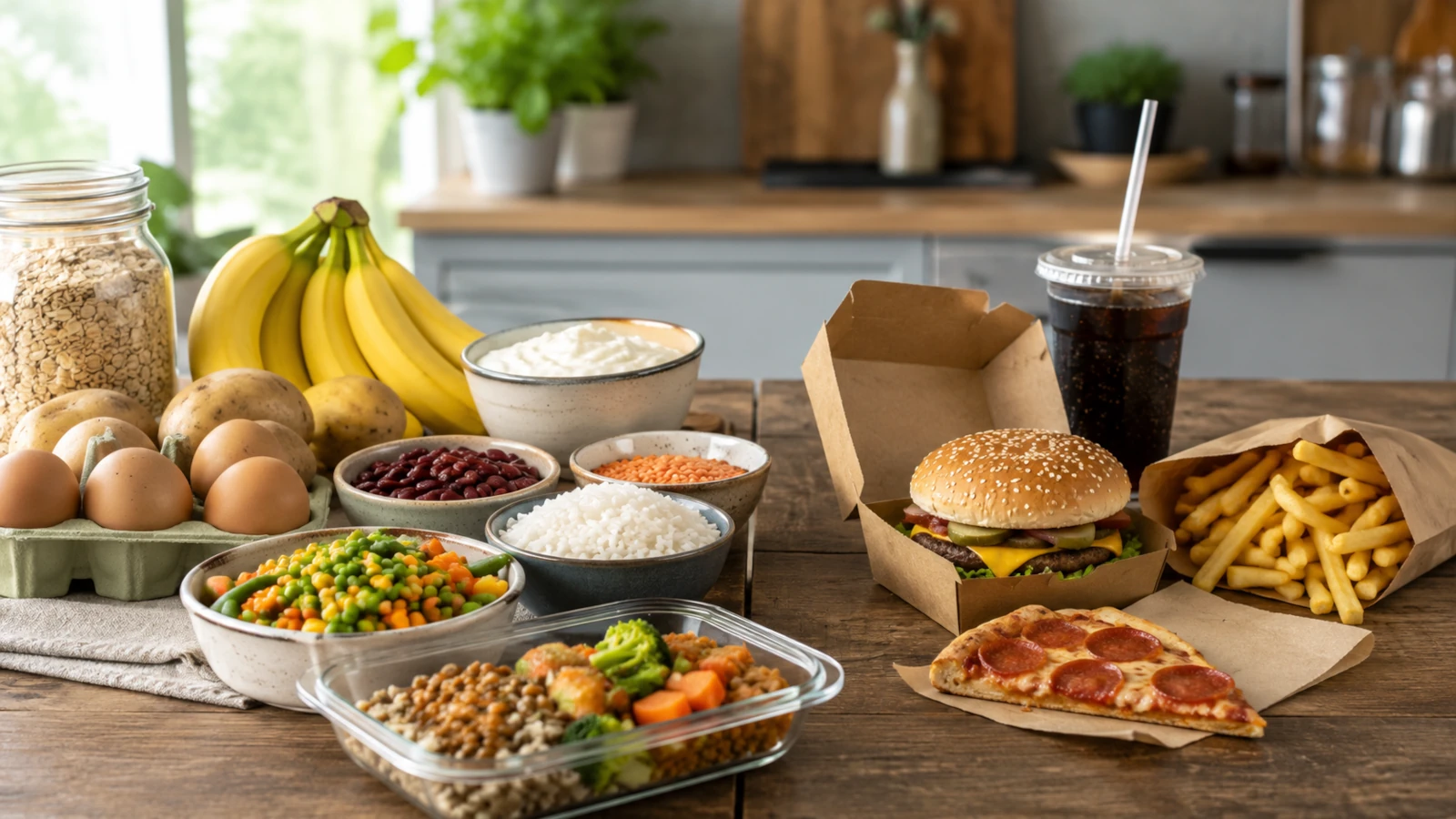
Fast food often feels cheaper than fresh food. Learn why that can be misleading – and how to build simple, high-protein meals on a budget.
Nutrition Basics
A protein-rich snack before bed is said to support muscle growth and recovery. But how effective is it really?
Training & Movement
Your heart rate rises quickly when you run? Learn why this often happens to beginners, what can cause it and how to train more calmly.
Body & Metabolism
Stress, emotional load, sleep, self-worth and past experiences can influence eating behavior, movement and weight change. A balanced article about psychology, weight and emotional eating.
Body & Metabolism
Some medications can influence heart rate, breathing, perceived effort, digestion, kidney stress, muscles or recovery. A practical guide for runners and endurance athletes.
Food Knowledge
What is the best protein source? Compare eggs, chicken, fish, dairy, soy, legumes and protein powder by protein quality, calories and everyday fitness use.
Training & Movement
Zone 2 training explained in simple terms: learn why low-intensity cardio is trending, how heart rate zones work and why slower endurance training is often underestimated.
Training & Movement
10,000 steps explained: where the famous number comes from, whether it is really necessary and why daily movement can matter more than hardcore workouts.
Body & Metabolism
HRV explained in simple terms: Learn what heart rate variability means, why it matters for recovery, stress and training — and why you should never judge your HRV in isolation.
Food Knowledge
Low carb can help some people lose fat, but it is not mandatory. Learn when it makes sense, when it does not and what really matters.
Food Knowledge
Sugar-free, light and diet products can be useful — but they are not automatically low-calorie. Learn what to check on the label.
Food Knowledge
Sugar-free bars, candy or low-carb chocolate can cause bloating, cramps or diarrhea. Learn why sugar alcohols such as maltitol, sorbitol, xylitol and erythritol can be responsible.
Training & Movement
Heart rate zones for runners explained: what zones 1 to 5 mean, how intensity works and how to use heart rate to guide smarter training.
Beginner Start
Heel, midfoot or forefoot? The real focus is usually overstriding, cadence and gradual load management — including a safe approach to changing your running form.
Beginner Start
Beginner guide: run-walk intervals, pace, progression, heart rate, route setup, food, hydration, weather and common mistakes — so you can build consistency.
Fat Loss
How to keep muscle in a calorie deficit: protein range, strength training, deficit size, cardio, sleep & common mistakes – evidence-based and practical.
Food Knowledge
Sweeteners aren’t automatically “toxic”. Dose, context and tolerance matter.
Food Knowledge
Fiber explained simply: why it matters for gut health, satiety, digestion, blood sugar response and net carbs — with practical examples for fat loss, low carb and everyday nutrition.
Up 1–2 kg overnight? Learn why carbs, salt, training and digestion can make the scale jump and how to tell water weight from fat gain.
Progressive overload is one of the most important principles for muscle growth. Learn how to increase weight, reps, sets and technique in a smart way without constantly destroying yourself in training.
Volume eating explained: how water-rich foods, fiber, protein and smart meal structure can help you eat bigger portions while staying within your calorie target.
Macros & Planning
How much protein do you need per day? Calculate your protein needs by goal, body weight and training with a simple formula and examples.
NEAT is the energy you burn through everyday movement outside of planned exercise. Learn why steps are often underestimated during fat loss and how to use them in a realistic way.
TDEE, basal metabolic rate, PAL and activity expenditure explained simply: how your daily calorie burn is made up and why calculators only provide starting estimates.
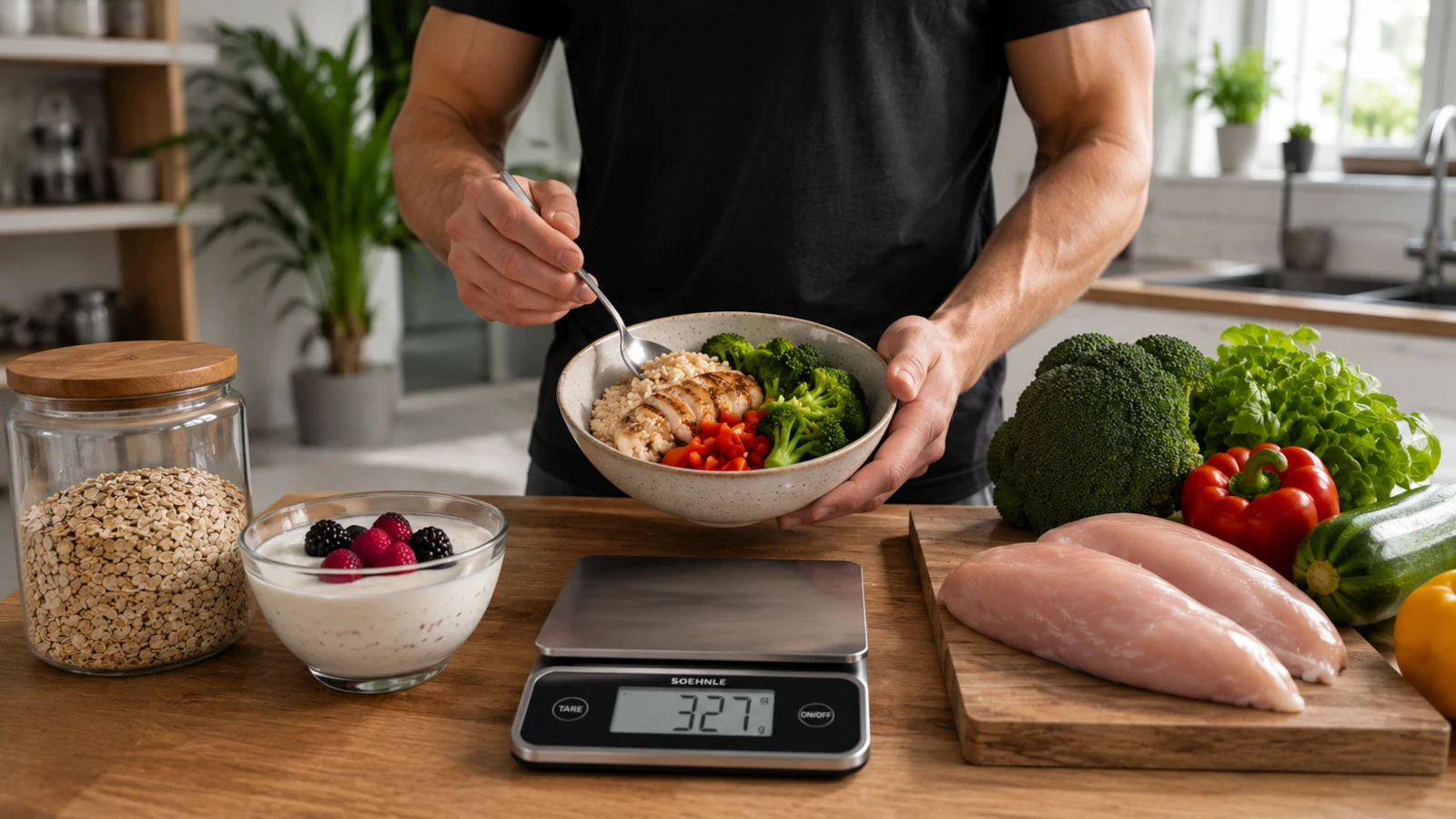
Meal prep explained simply: how to plan, cook and store meals for several days without making it complicated.
Nutrition Basics
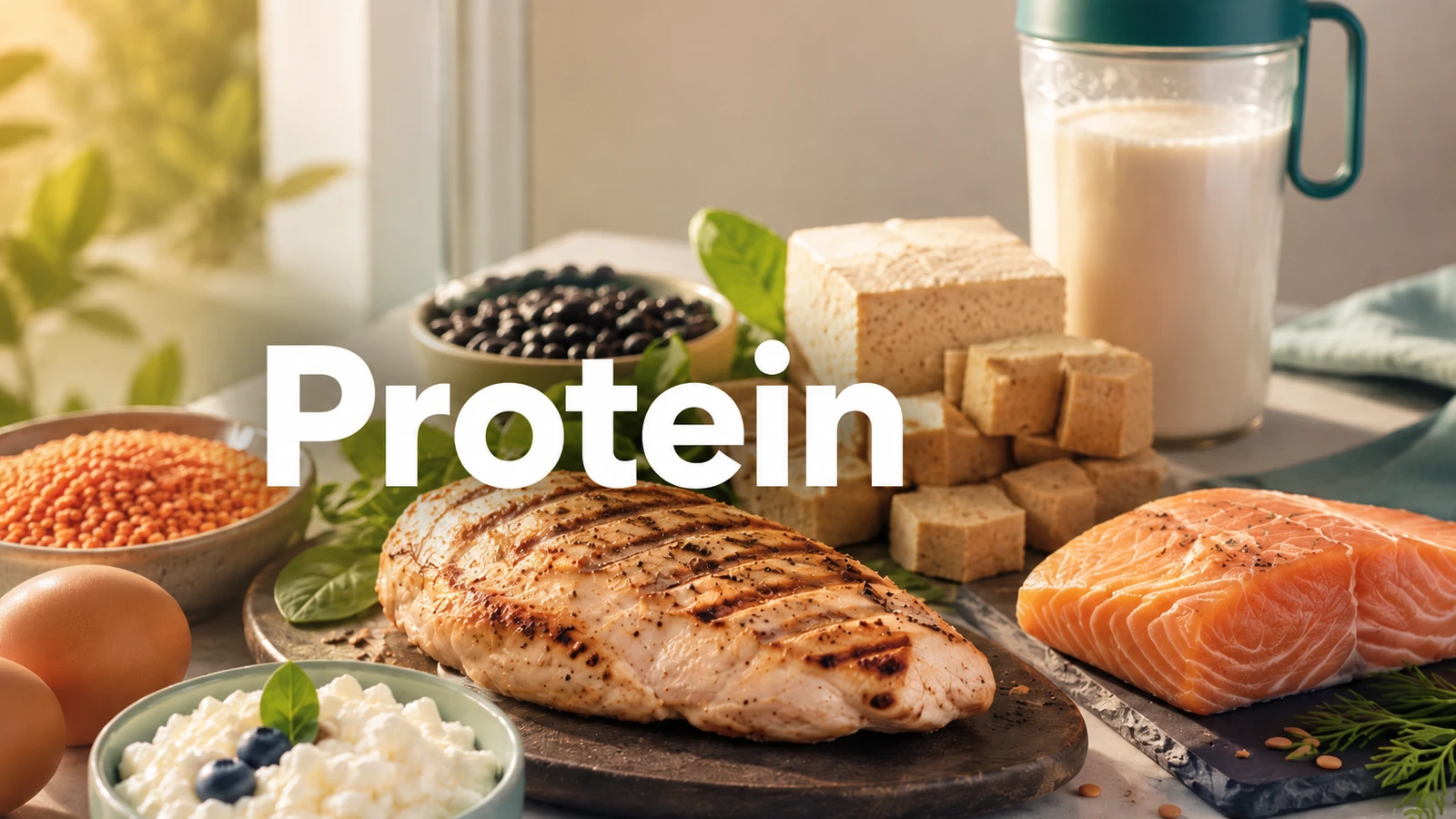
Protein supports muscle maintenance, satiety, recovery and everyday nutrition. Learn how much protein makes sense and how to include it without stress.
Fat Loss
A calorie deficit is the foundation of fat loss. Learn how it works, why daily weight fluctuates and how to maintain a deficit in real life.
Choose a topic and find articles that match your goal.
The articles explain the basics. In the app you can act on them directly: track nutrition, plan recipes, use shopping lists and follow progress.
Quick rough estimate for calories and macros.
Roughly estimate how long it may take to reach your target weight.
Quickly check whether a meal or food is roughly keto-friendly.
Convert nutrition values from 100 g to your portion.
Estimate a sensible daily protein target.