Zone 2 training explained: why easy cardio is becoming so popular
Zone 2 training explained in simple terms: learn why low-intensity cardio is trending, how heart rate zones work and why slower endurance training is often underestimated.
Find practical articles about calories, macros, fat loss, muscle gain, foods and smarter planning with Athletic-AI.
Current articles from the knowledge area â crawlable, easy to understand and connected to Athletic-AI.
Zone 2 training explained in simple terms: learn why low-intensity cardio is trending, how heart rate zones work and why slower endurance training is often underestimated.
10,000 steps explained: where the famous number comes from, whether it is really necessary and why daily movement can matter more than hardcore workouts.
HRV explained in simple terms: Learn what heart rate variability means, why it matters for recovery, stress and training â and why you should never judge your HRV in isolation.
Low carb can help some people lose fat, but it is not mandatory. Learn when it makes sense, when it does not and what really matters.
Sugar-free, light and diet products can be useful â but they are not automatically low-calorie. Learn what to check on the label.
Sugar-free bars, candy or low-carb chocolate can cause bloating, cramps or diarrhea. Learn why sugar alcohols such as maltitol, sorbitol, xylitol and erythritol can be responsible.
Heart rate zones for runners explained: what zones 1 to 5 mean, how intensity works and how to use heart rate to guide smarter training.
Heel, midfoot or forefoot? The real focus is usually overstriding, cadence and gradual load management â including a safe approach to changing your running form.
Beginner guide: run-walk intervals, pace, progression, heart rate, route setup, food, hydration, weather and common mistakes â so you can build consistency.
How to keep muscle in a calorie deficit: protein range, strength training, deficit size, cardio, sleep & common mistakes â evidence-based and practical.
Sweeteners arenât automatically âtoxicâ. Dose, context and tolerance matter.
Fiber improves satiety and digestion and helps with ânet carbsâ in low-carb/keto.
Up 1 kg today, down 1 kg tomorrow? Often itâs water â not fat.
If you get stronger, you build muscle. Hereâs how to apply progressive overload properly.
The âvolumeâ principle: more food volume, fewer calories â without starving yourself.
How much protein do you really need? A simple range + real-life shortcuts.
NEAT can beat training: daily movement and steps as the hidden calorie lever.
BMR, activity, TDEE: what your daily burn is made of and why formulas are only a starting point.
Meal prep explained simply: how to plan, cook and store meals for several days without making it complicated.
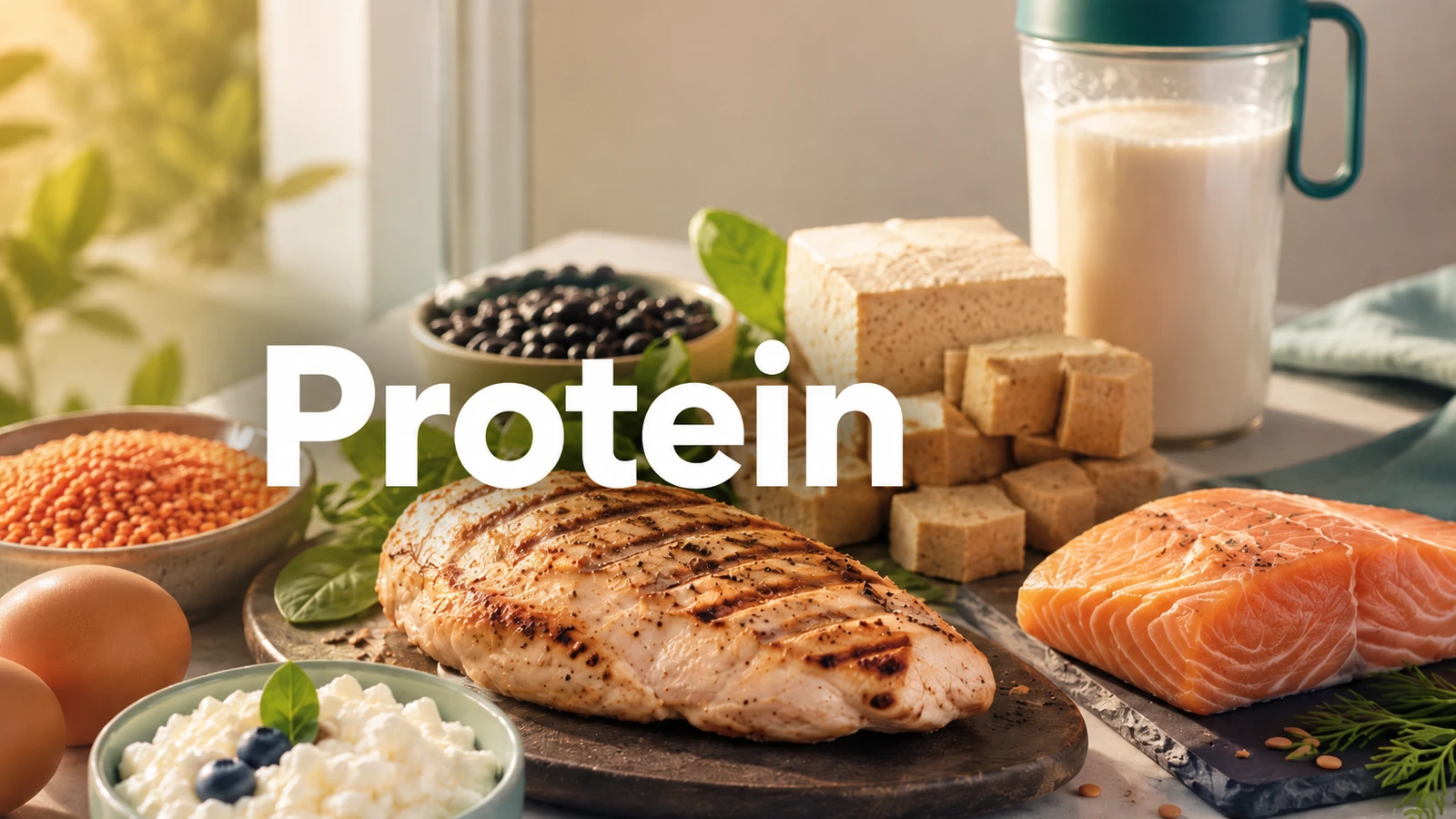
Protein supports muscle maintenance, satiety, recovery and everyday nutrition. Learn how much protein makes sense and how to include it without stress.
A calorie deficit is the foundation of fat loss. Learn how it works, why scale weight fluctuates and how to stay consistent without overthinking.
Choose a topic and find articles that match your goal.
The articles explain the basics. In the app you can act on them directly: track nutrition, plan recipes, use shopping lists and follow progress.
Quick rough estimate for calories and macros.
Roughly estimate how long it may take to reach your target weight.
Quickly check whether a meal or food is roughly keto-friendly.
Convert nutrition values from 100 g to your portion.
Estimate a sensible daily protein target.